For Trucks, Buses and Coaches

Goodyear Winter Guide

What is a winter tyre?

A winter tyre (or “snow tyre” according to EU Regulation 661/2009) is defined as a “tyre whose tread pattern, tread compound or structure is primarily designed to achieve in snow conditions a performance better than that of a normal tyre with regard to its ability to initiate or maintain vehicle motion”.

Winter tyre marking

Winter tyre marking - what’s new for 2025

As of Autumn 2025, more countries have updated their winter tyre requirements to be in line with the existing legislation. For example, Denmark, Estonia, Finland and Latvia require commercial vehicles to use winter tyres that display the Three-Peak Mountain Snowflake (3PMSF).


The 3PMSF symbol assures compliance with European safety standards. This change underscores the critical importance of using tyres that have been independently tested to ensure optimal traction and handling in snow and ice.


M+S (also M.S or M&S) has been the widely used marking on winter tyres, stipulated in EU legislation.


However, M+S remains a permitted marking, but not legally linked to a minimum guaranteed performance in winter conditions. M+S tyres have better snow traction than regular tyres, but do not necessarily pass the snow grip threshold legal requirement to qualify for the new three-peak snowflake identification.


In 2025, certain countries, like Poland and Lithuania, updated their rules on snow chains usage on roads covered with ice and snow.

Discover the exact winter tyres requirements for your region on the map below.

Benefits of winter tyres

The use of winter tyres ensures that vehicle performance is optimized when temperatures are low and in particular when roads are affected by snow and ice. Tyres react differently according to temperature, so specific compounds and tread patterns are necessary for such conditions. Good grip is of course essential for steering and braking control as well as traction. At lower temperatures some other tyres do not give the same performance as they provide in their normal temperature range. A more aggressive tread pattern is also necessary, not only for good grip in snow but also on ice and to efficiently clear surface water.

The benefits of commercial winter tyres are particularly important for mobility in challenging weather conditions. Avoiding road blockages has not least certain economic pluses, e.g. preventing losses from delayed deliveries, spoilt goods, etc...

Goodyear winter tyre ranges.

Ready to meet all winter conditions.


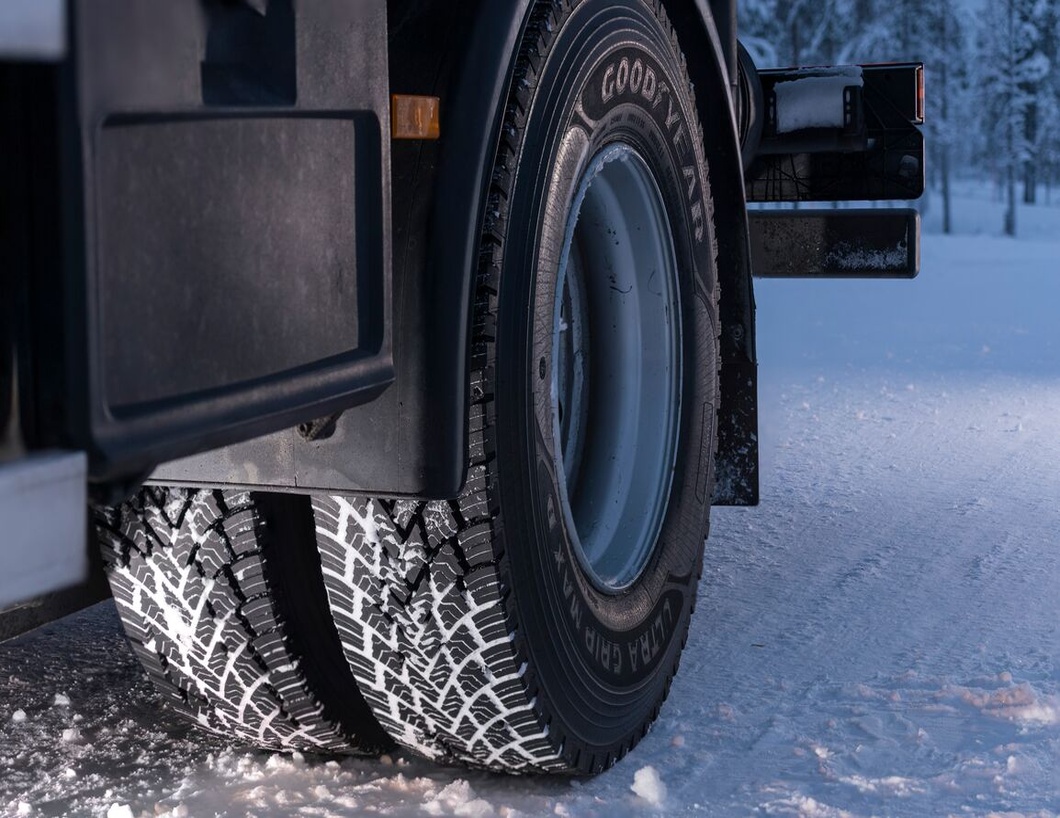
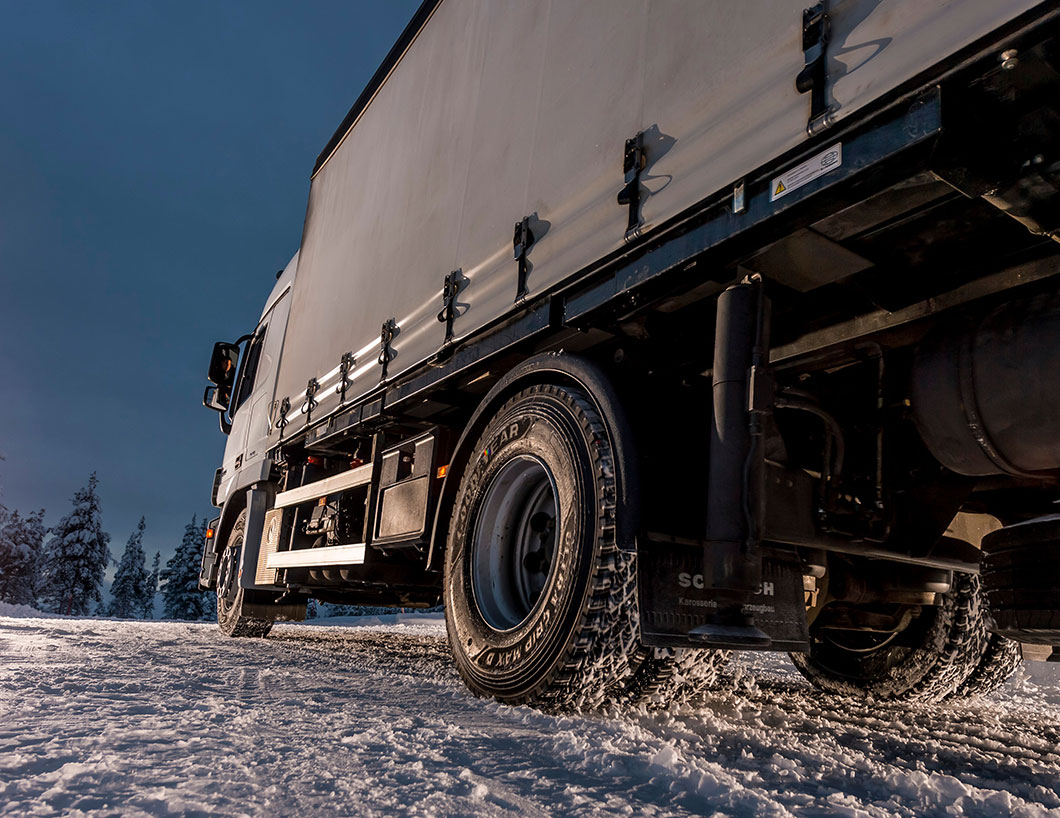
Goodyear’s winter truck, coach and bus tyre ranges are developed to cope with today’s demanding winter transport operations.

ULTRA GRIP WTS, WTS City, WTD, WTD City, WTT, ULTRA GRIP Coach and ULTRA GRIP MAX S, D and T have been specifically designed to provide excellent winter capabilities to face the toughest and most extreme winter conditions.

All tyre designs below are M+S and 3PMSF marked and comply with the most restrictive European winter tyre regulations.

Winter tyre markings on Goodyear tyre ranges

Almost all Goodyear truck and bus tyres are marked with the M+S and the 3PMSF symbol. Following Goodyear tyres ranges qualify for the 3PMSF marking:

Our Winter Specialist Tyre Range

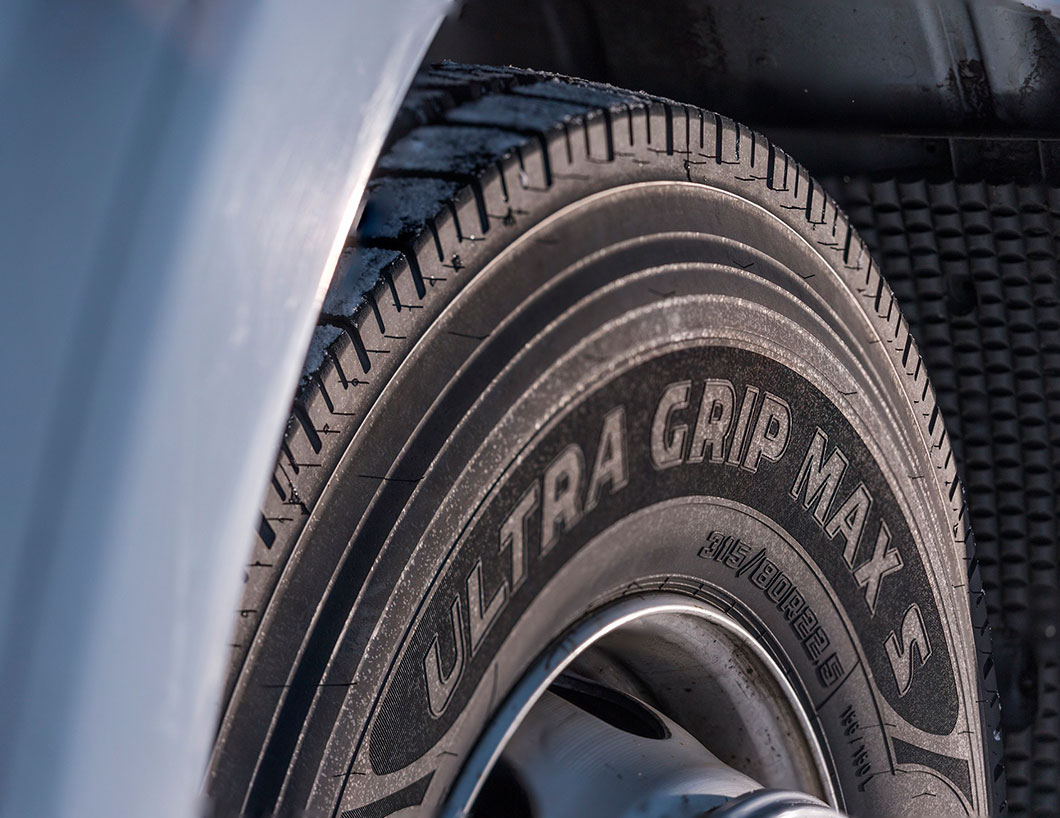
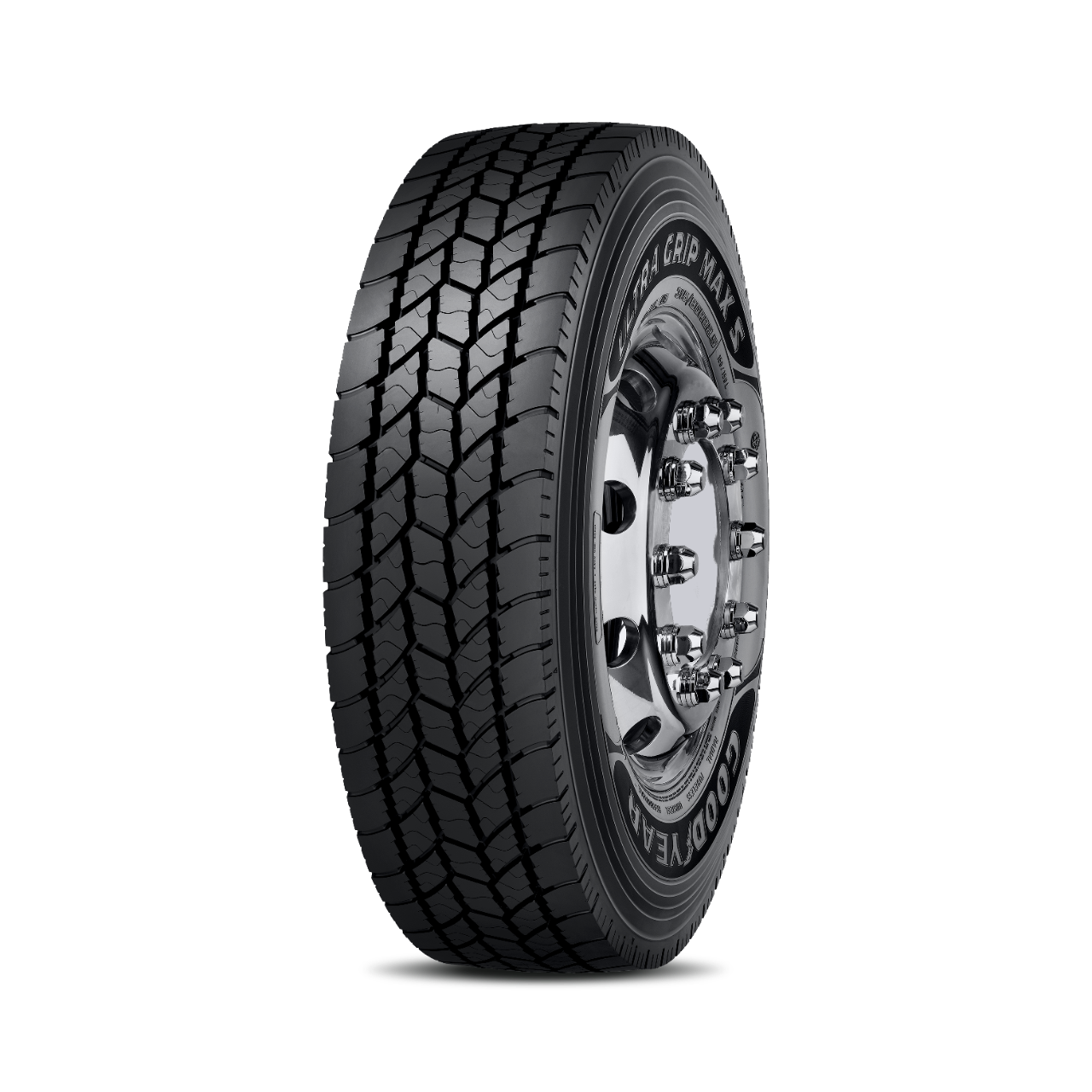
ULTRA GRIP MAX S

ULTRA GRIP MAX S

A specialist steer tyre designed for winter and mountain applications, offering improved lateral stability on ice and snow, along with excellent mileage.

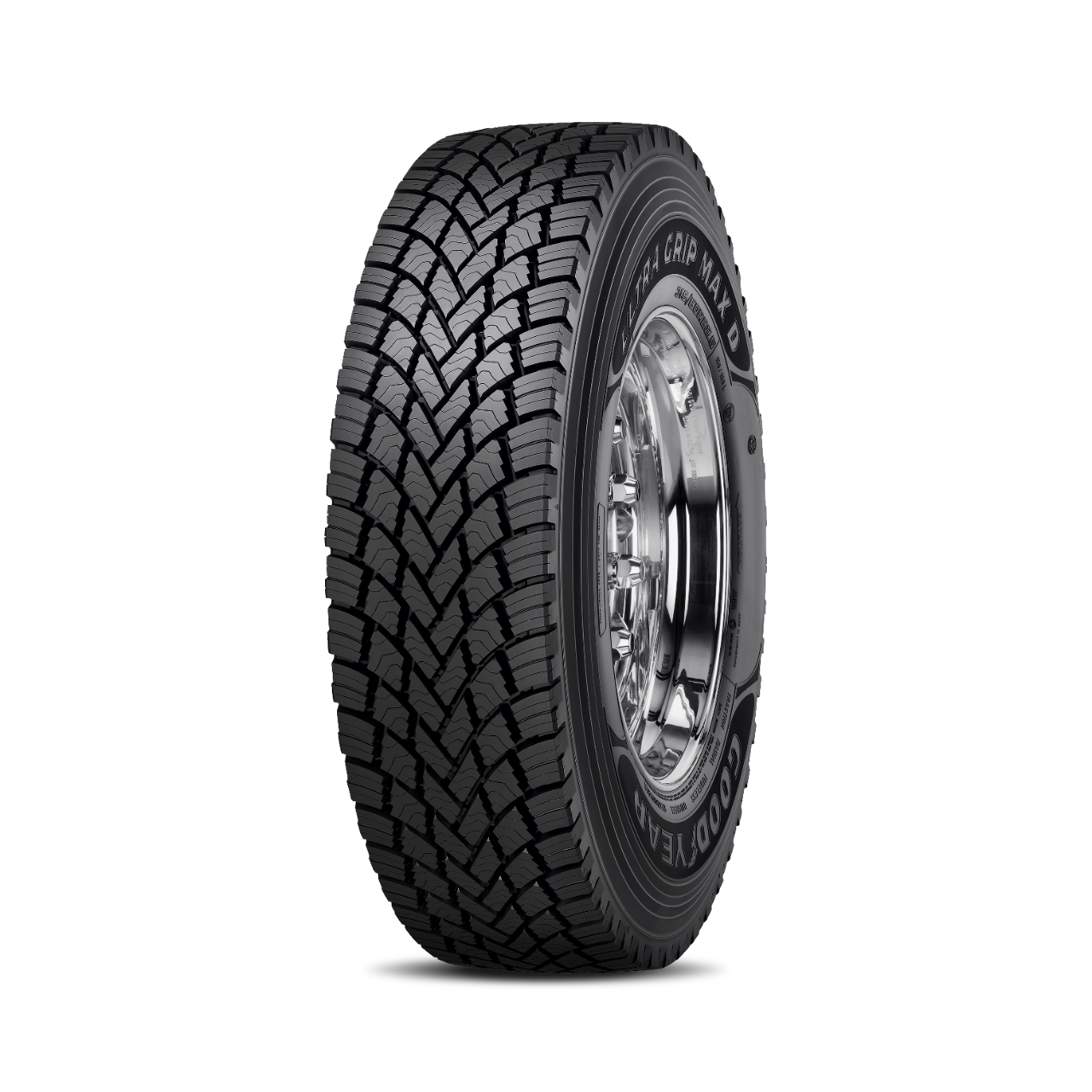
ULTRA GRIP MAX D

ULTRA GRIP MAX D

A specialist drive-axle tyre designed for winter and mountain applications, offering improved traction on ice and snow, along with excellent mileage.

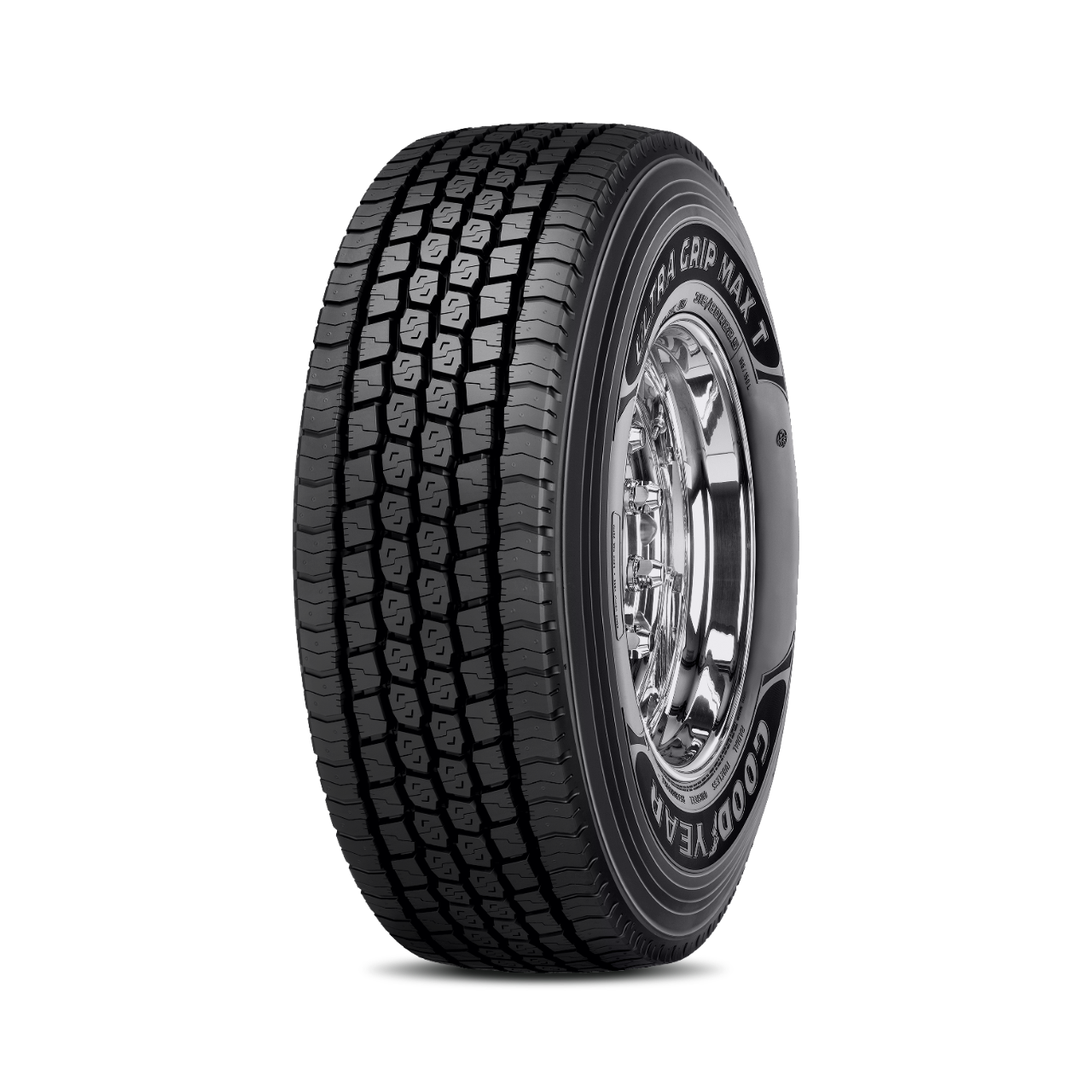
ULTRA GRIP MAX T

ULTRA GRIP MAX T

A specialist trailer tyre designed for winter and mountain applications, offering improved lateral stability on ice and snow, along with excellent mileage.

Winter tyre requirements for heavy commercial vehicles in Europe

Countries with no requirements for winter tyres

Countries with local requirements for winter tyres/use of chains

Countries with requirements for winter tyres and/or other winter equipment in certain circumstances or on certain roads (e.g. “partial obligations for winter tyres”)

Countries with mandatory winter tyres legislation throughout a whole fixed period and on all roads, irrespective of whether there is snow and/or ice (e.g. “overall winter tyre laws”)

Winter conditions, depending on region/road

  • Winter tyres legislation
    None
  • Use of chains
    Compulsory chains in certain regions
    This obligation applies to truck drive and trailer axles
  • Use of studded tyres
    Prohibited

November 1 – April 15 + winter conditions

  • Winter tyres legislation
    From October 1st, 2024, winter tyres in Germany must have the 3PMSF symbol.
  • Use of chains
    Chains for at least two tyres on drive axle have to be carried along
  • Use of studded tyres
    Prohibited for vehicles >3.5 t.

  • Winter tyres legislation
    None
  • Use of studded tyres
    Prohibited

November 1 – April 1

  • Winter tyres legislation
    M+S tyres on drive axles with min 4mm tread depth
  • Use of chains
    Summer tyres with min 4mm tread depth plus chains allowed on drive axles
  • Use of studded tyres
    Prohibited

November 15 – March 1

  • Winter tyres legislation
     M+S tyres mandatory with 1.6mm tred depth; alternatively  summer tyres with 4mm tread depth
  • Use of chains
    Chains to be carried in the vehicle from November 1 – March 31 if  indicated by road signs
  • Use of studded tyres
    Prohibited

November 15 – April 15

  • Winter tyres legislation
    M+S tyres on drive axles with min 4mm tread depth
  • Use of chains
    Alternative summer tyres with min 4mm tread depth plus chains on drive axles
  • Use of studded tyres
    Prohibited

  • Winter tyres legislation
    None
  • Use of studded tyres
    Prohibited

November 1 – March 31 + winter conditions

  • Winter tyres legislation
    M+S tyres on drive axles with min 6mm tread depth
  • Use of chains
    Compulsory on at least 2 drive tyres if indicated by road signs
  • Use of studded tyres
    Prohibited

  • Winter tyres legislation

    When the police advise against all driving due to extreme winter weather, and driving cannot be postponed, “3PMSF” marked tyres with winter equipment is required. The police may issue a fine if the vehicle is equipped with unsuitable tyres for the road conditions.


  • Use of studded tyres

            Allowed from November 1 - April 15

December 1 - March 1

  • Winter tyres legislation
Only vehicles up to 3.5 to.:
Snow tires (with the marking M+S, MS, M.S. or M&S) shall be used from December 1 to March 1 on vehicles of categories GVW < 3500 kg
From December 1, 2022, non-studded snow tires shall bear 3PMSF marking (POR marked tires exempted)
From December 1, 2022, the Alpine symbol (snowflake) is mandatory for all-season tyres.
Minimum tread depth rules apply (3mm for vehicles > 3.5t)


  • Use of chains
    Only allowed on roads covered with snow and ice
  • Use of studded tyres
    Allowed from October 15 to March 31 in case of winter road and weather conditions.

November 1 – March 1

  • Winter tyres legislation
    3PMSF or POR tires with min. 5mm tread depth on drive axles and 3mm on all other axles
  • Use of studded tyres
    Allowed from November 1 - March 31

Between November 1 and March 31

  • Winter tyres legislation
    3PMSF mark required (except trailer tyres) as of November 1, 2024.
    Rules apply to mountainous regions only. Decision to be taken by   local authorities.
    Transitional period for M+S or 3PMSF until October 31, 2024;   3PMSF marking will be mandatory as of November 1, 2024.
  • Use of chains
    No winter marking requirements if chains are mounted on drive   axle
  • Use of studded tyres
    Prohibited


  • Winter tyres legislation
    None

Winter conditions

  • Winter tyres legislation
    From October 1st, 2024, winter tyres in Germany must have the 3PMSF symbol.
  • Use of chains
    Alternative with 50km/h speed limit
  • Use of studded tyres
    Prohibited

October to April; depending on weather conditions

  • Winter tyres legislation
    Mandatory equipment of winter tires (M+S or 3PMFS) or chains
  • Use of chains
    Mandatory if no winter tyres mounted
  • Use of studded tyres
    Prohibited

  • Winter tyres legislation
    None
  • Use of studded tyres
    Prohibited

  • Winter tyres legislation
    None
  • Use of studded tyres
    Prohibited

November 15 – April 15 in winter conditions (signs indicate)

  • Winter tyres legislation
    M+S tyres on drive axles
  • Use of chains
    Must be carried in the vehicle when driving on mountain roads without M+S tyres

In winter conditions

  • Winter tyres legislation
    M+S tyres on drive axles
  • Use of chains
    Obligation for chains on drive axles when indicated
  • Use of studded tyres
    Prohibited

  • Winter tyres legislation
    Minimum tread depth of 3mm
Vehicles > 3.5 tonnes must be equipped with identical front axle tyre
  • Use of studded tyres
    Allowed for vehicles >3,5t : October 1 – April 30

November 1 – April 1

●     Winter tyres legislation

None

●     Use of chains

The use of snow chains is permitted on roads covered with ice and snow.

●     Use of studded tyres

Allowed from November 1 – April 10

Winter conditions

  • Winter tyres legislation
    M+S tyres on drive axles
  • Use of chains
    Alternative of summer tyres with min 6mm tread depth and chains on all axles
  • Use of studded tyres
    Prohibited

  • Winter tyres legislation
    None

December 1 – March 31 when road covered by ice/snow

  • Winter tyres legislation
    M+S tyres on drive axles
  • Use of chains
    Allowed

November 15 – March 31

  • Winter tyres legislation
    M+S tyres on drive axles
  • Use of chains
    Alternative of summer tyres with min. 4mm tread depth and chains
  • Use of studded tyres
    Prohibited

  • Winter tyres legislation
    None
  • Use of chains
    Not allowed
  • Use of studded tyres
    Prohibited

November 15 – March 15

  • Winter tyres legislation
    M+S tyres on drive axles with min 6mm tread depth
  • Use of chains
    None
  • Use of studded tyres
    Prohibited

November 15 - March 31
October 16 - April 30 in Nordland, Tromms and Finnmark

  • Winter tyres legislation
    3PMSF on front steering and drive axles (transition period for upgrading from M+S to 3PMSF until November 15, 2020), M+S on all other axles incl. trailer axles
    Min. 5mm tread depth from November 1 – 1st Monday after   Easter/October 16 – April 30 in Nordland, Tromms and Finnmark
  • Use of chains
    Obligatory to have min. 3 to 7 sets of chains depending on number of axles (November 1 – 1st Monday after Easter/ October 16 – April 30 in Nordland, Tromms and Finnmark)
  • Use of studded tyres
    Allowed;
    North: October 16 - April 30
    South: November 1 - first Monday after Easter

  • Winter tyres legislation
    None
  • Use of chains
    Snow chains are permitted on snowy or icy roads. In some places, they may be mandatory if required by road signs.

  • Winter tyres legislation
    None
  • Use of chains
    Allowed by road signs
  • Use of studded tyres
    Prohibited

In winter conditions (snow and ice)

  • Winter tyres legislation
    M+S tyres on drive axles, min. 6mm tread depth
  • Use of chains
    Alternative summer tyres plus chains on drive axles
  • Use of studded tyres
    Prohibited

December 1 – February 28 ; this period may be expanded depending on weather or climate conditions

  • Winter tyres legislation
    Only N1 vehicles: M+S or 3PMSF tyres on all axles with min 4mm tread depth
  • Use of chains
    Allowed by regional legislation
  • Use of studded tyres
    Allowed from September 1 - May 31

November 1 – April 1 + winter conditions

  • Winter tyres legislation
    M+S tyres on drive axles with min 4mm tread depth
  • Use of chains
    Summer tyres with 4mm tread depth plus chains on drive axles
  • Use of studded tyres
    Prohibited

November 15 – March 31 + winter conditions

  • Winter tyres legislation
    M+S tyres on drive axles with min 3mm tread depth
  • Use of chains
    To be carried in the vehicle; usage indicated by road signs
  • Use of studded tyres
    Prohibited

November 15 – March 15

  • Winter tyres legislation
    M+S tyres on drive axles with min 3mm tread depth
  • Use of chains
    Alternative summer tyres with min 3mm tread depth plus chains on drive axles
  • Use of studded tyres
    Prohibited

Depending on weather conditions or road signs

  • Winter tyres legislation
    M+S on drive axles if winter tyres are required
  • Use of chains
    Obligation for chains where indicated on roads

November 10 – April 10


●     Winter tyres legislation

Effective November 1, 2025, winter tyres must be mounted on HDVs from November 10 to April 10, regardless of weather /road conditions.
As of December 1st, 2024, all tyres for vehicles weighing up to 3,500 kg must display the 3PMSF symbol with min. 5mm of tread. For trailers up to 3,500 kg, tyres with only an M+S marking and min. 1.6mm of tread will still be recognised as winter tyres until December,1 2029. For vehicles over 3,500 kg, winter tyres on the front axle and the driven axle must have the snowflake symbol and min. 5mm of tread from 1 December 2024.
For other axles, the M+S symbol and min. 1.6mm of tread will suffice. This applies to the axles of semi-trailers and trailers. POR and studded tyres are recognised as winter tyres in general.

●     Use of chains

Allowed as alternative equipment October 1 - March 15

●     Use of studded tyres

Allowed as alternative equipment from October 1 - March 15. If winter road conditions exist or are expected, it is permitted to use studded tires at other times as well.

  • Winter tyres legislation
    None
  • Use of studded tyres
    Allowed for vehicles >7.5 t. from November 1 - April 30

December 1 - April 1 + winter conditions (can be extended to an additional month if weather conditions require)

  • Winter tyres legislation
    M+S and/or 3PMSF on drive axles of trucks, tow trucks, tankers, buses with min 4mm tread depth
  • Use of chains
    Allowed but not as an alternative for winter tyres
  • Use of studded tyres
    Prohibited

  • Winter tyres legislation
    None
  • Use of chains
    Chains only allowed on roads covered with snow and ice
  • Use of studded tyres
    Allowed

  • Winter tyres legislation
    None
  • Use of studded tyres
    Prohibited (only allowed on compacted snow)

Source: Goodyear. Data as of November 2024. Please check local legislation for possible changes before entering a country.